
No products in the cart.
What is a Silica Crucible? Uses, Properties, and Applications in Laboratories
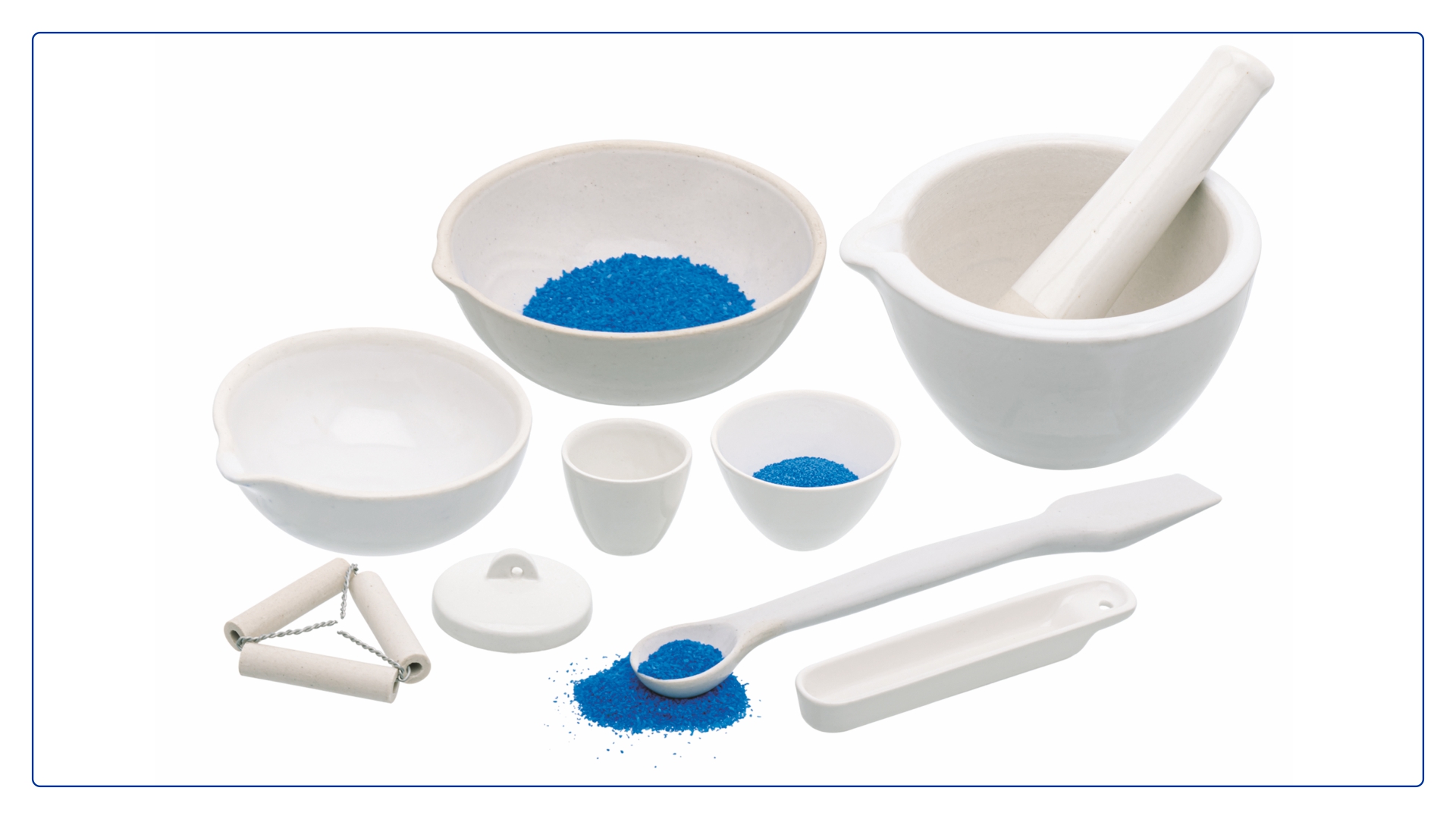
Silica crucibles are specialized containers used in laboratories where extremely high temperatures are involved. They play a vital role in experiments that require heating, melting, or igniting substances without contamination. In both laboratory and industrial settings, these crucibles are trusted for their stability and purity.
Unlike general lab crucibles made from common ceramics, silica-based options can handle harsher thermal conditions with better accuracy. They are widely used in chemistry, metallurgy, material science, and quality testing processes.
In this article, you will read about Silica crucibles, their properties, applications, and safe use.
What is a Silica Crucible?
A silica crucible is a heat-resistant container made from high-purity silica or fused quartz. It is designed to hold samples during high-temperature processes such as ignition, fusion, or thermal analysis. The material composition allows it to remain stable where ordinary ceramics may crack or react.
This makes it a preferred crucible for laboratory applications that demand accuracy and chemical neutrality. Many labs use a crucible for lab work involving strong heat because silica does not easily contaminate samples. Depending on the experiment, these crucibles may be available with or without lids, including basic open designs for controlled heating.
Material Properties of Silica Crucibles
The performance of a silica crucible is determined by a combination of advanced material characteristics that make it suitable for demanding laboratory and industrial conditions:
- High temperature resistance: Silica crucibles can withstand extreme temperatures, typically up to 1600–1700°C, without softening or deforming. This property allows them to be used in high-temperature reactions, fusions, and ignition processes where standard ceramic materials may fail.
- Excellent thermal shock resistance: Silica tolerates rapid heating and cooling better than many conventional crucible materials. This reduces the risk of cracking during sudden temperature changes, especially in procedures involving repeated heating cycles.
- High chemical purity: Since they are made from high-purity silica or fused quartz, these crucibles contain minimal impurities. This prevents unwanted chemical reactions and ensures that experimental results remain accurate and uncontaminated.
- Low thermal expansion: Silica expands very little when heated, helping the crucible maintain its original shape and dimensions. This stability is important for precision measurements and repeatable laboratory procedures.
- Resistance to most acids and molten materials: Silica crucibles resist attack from many acids and aggressive molten substances, improving safety and reducing material degradation during chemical processing.
- Long service life: The combination of strength, purity, and thermal stability supports repeated use, making silica crucibles reliable and cost-effective for long-term laboratory applications.
Types of Silica Crucibles
Silica crucibles are manufactured in several designs to meet different experimental requirements and handling preferences:
- Crucible without lid: It allows free airflow during heating and is ideal for oxidation reactions, open ignition, and ash content analysis. A crucible without lid is commonly used where controlled exposure to air is required.
- Crucible with lid: It reduces contamination from external particles. Silica crucible with lid minimizes sample loss during high-temperature heating. It is preferred for volatile substances and sensitive materials.
- Low-form crucibles: They are wider and have a shorter profile. They offer better stability on hot plates and furnace surfaces. They are best suited for shallow samples and even heat distribution.
- High-form crucibles: These have a taller design for deeper samples and are used when sample volume requires vertical containment. It helps prevent spillage during melting or reactions.
- Different capacities and shapes: Crucibles are available in small sizes for analytical testing and larger volumes for industrial work. The selection depends on sample quantity, temperature exposure, and experimental method.
Silica Crucible Temperature Range and Performance
Understanding the operating limits of silica crucibles is important for safe and effective laboratory use:
- Operating temperature range: Silica crucibles typically perform safely between 1600°C and 1700°C, making them suitable for intense and prolonged heating cycles.
- Heating and cooling recommendations: Gradual heating is recommended to prevent stress buildup within the material. Controlled cooling helps minimize thermal shock and extends the crucible’s service life.
- Performance under repeated heating cycles: Silica crucibles maintain mechanical strength and shape even after multiple heating and cooling sessions, supporting consistent experimental results.
- Comparison with porcelain crucibles: At higher temperatures, silica outperforms porcelain by remaining chemically inert and structurally stable, while porcelain may soften or react.
- Suitability for critical applications: These characteristics make silica crucibles ideal for advanced research, analytical testing, and precision-driven laboratory work.
Silica Crucible Uses in Laboratories
Silica crucibles are widely used in laboratories because of their purity, stability, and resistance to harsh conditions:
- Gravimetric analysis: Silica crucibles allow scientists to measure sample weights accurately, as their high purity prevents contamination and reduces the risk of material loss during heating.
- Ash content determination: These crucibles are widely used in laboratories for determining ash content in food, pharmaceuticals, and other materials because they can withstand high temperatures without altering the sample composition.
- Sample ignition: Silica crucibles provide a clean environment for igniting samples, ensuring complete combustion of organic matter without leaving interfering residues.
- High-temperature chemical reactions: The chemically inert surface of silica crucibles makes them ideal for performing high-temperature reactions, guaranteeing reliable and consistent results even with aggressive reagents.
- Thermal analysis procedures: By offering uniform heating and excellent thermal stability, silica crucibles help maintain reproducibility and improve the accuracy of thermal analysis experiments.
- Analytical reliability: Trusted as important crucible chemistry lab equipment, silica crucibles are considered a key part of crucible science equipment for laboratories that require precise measurements and dependable performance.
Industrial and Research Applications of Silica Crucibles
Beyond routine laboratory use, silica crucibles play an important role in industrial and research settings:
- Metallurgical laboratories: Used for alloy testing, metal fusion, and compositional analysis under extreme heat.
- Glass and ceramic industries: Support material development, melting trials, and quality testing processes.
- Chemical processing plants: Applied in formulation development, quality control, and performance testing.
- Research and quality testing laboratories: Valued for repeatability, durability, and consistent analytical performance.
- Educational institutions: Used in advanced chemistry, materials science, and engineering training programs.
- Long-term cost efficiency: High durability allows repeated heating cycles without loss of performance, making a laboratory silica crucible dependable in demanding environments.
Silica Crucible vs Porcelain Crucible
Choosing between silica and porcelain crucibles depends on the application. Below is a simple comparison:
| Feature | Silica Crucible | Porcelain Crucible |
| Temperature resistance | Higher | Moderate |
| Thermal shock | Excellent | Moderate |
| Chemical resistance | High | Good |
| Cost | Higher | Lower |
| Ideal use | High-temp and analysis | Routine lab work |
Porcelain crucible chemistry applications are suitable for routine heating and basic experiments. However, when accuracy and high-temperature stability are critical, silica is the better choice.
How to Choose the Right Silica Crucible
When selecting a silica crucible, consider the following factors to ensure safe and accurate results:
- Operating temperature requirements: Check the maximum temperature your experiment will reach and choose a crucible rated comfortably above that limit.
- Chemical compatibility: Ensure the crucible material will not react with the chemicals or samples being heated, especially in high-temperature reactions.
- Size and capacity: Always choose a size that matches your sample volume to prevent spillage, uneven heating, or inaccurate measurements.
- With lid or without lid: Choose a lidded crucible when contamination or sample loss is a concern. Open crucibles are suitable for controlled ignition processes.
- Frequency of use: For repeated or long-term use, invest in high-quality crucibles designed for durability and consistent performance.
- Supplier reliability: For institutional or industrial purchases, sourcing from a trusted silica crucible manufacturer ensures uniform quality, safety standards, and dependable supply.
Care, Handling, and Maintenance of Silica Crucibles
Proper care helps extend the lifespan and reliability of silica crucibles. Follow these best practices:
- Cleaning after use: Clean the crucible thoroughly using distilled water or mild acids, depending on the residue. Avoid harsh or abrasive cleaners.
- Preventing thermal shock: Allow the crucible to cool gradually after heating. Never wash or place a hot crucible on cold or wet surfaces.
- Safe storage: Store crucibles in a clean, dry environment to prevent contamination, moisture damage, or accidental breakage.
- Inspection before reuse: Check for cracks, warping, or surface damage before each use. Even small defects can affect safety and experimental accuracy.
- Careful handling: Use appropriate tools such as tongs and heat-resistant gloves when handling crucibles during and after heating cycles.
With correct handling and routine inspection, a crucible for laboratory use can deliver consistent performance across many heating cycles.
Why Choose High-Quality Silica Crucibles from Supertek Glassware
Supertek Glassware is a trusted supplier of high-performance laboratory products. Their silica crucibles are manufactured using high-purity raw materials to ensure chemical neutrality and consistent results. Each crucible is designed with precise dimensions for accurate laboratory work. You will commonly find them listed under the Laboratory Crucibles Category, where they are grouped with other high-temperature labware designed for precision work and safety.
Supertek supports laboratories, research institutions, and industries with reliable supply and quality assurance. Their focus on durability, safety, and performance makes them a preferred choice for demanding applications. Whether for routine testing or advanced research, Supertek delivers labware that meets professional standards.
Conclusion
Silica crucibles are important tools for laboratories that operate at high temperatures and demand precision. Their ability to withstand extreme heat, resist chemical reactions, and maintain structural stability makes them better than many traditional options. From analytical testing to industrial research, they support accurate and repeatable results.
Choosing the right crucible, handling it correctly, and sourcing from a trusted supplier helps make sure long-term reliability. For laboratories seeking dependable high-temperature labware, exploring Supertek’s silica crucible range is a practical step toward improved accuracy and safety.